Get Electrical Panel Installation
Electrical panel installation services help property owners upgrade or replace panels to ensure safe, reliable electrical systems for new or existing buildings.
Electrical panel installation is a key step in ensuring a property's electrical system is safe, efficient, and capable of supporting modern demands. Property owners in the area might explore this work to upgrade outdated panels, improve energy distribution, or prepare for new appliances and technology. By planning carefully and comparing local contractors, property owners can find the right professionals to handle the job with expertise and attention to detail, helping to ensure a reliable electrical system that meets current standards and future needs.
Navigating options for electrical panel installation involves evaluating local service providers who understand the specific requirements of the community. Property owners are encouraged to consider experienced contractors who can provide tailored solutions, whether for residential or commercial properties. Continuing to explore local options allows for informed decisions and connections with qualified professionals capable of managing the project efficiently and effectively.
- homeowners may need this service when upgrading outdated electrical panels to meet current safety standards. - businesses might require electrical panel installation during new office or retail space construction. - property owners often seek this work when adding new appliances or equipment that demand additional electrical capacity. - commercial facilities may need panel upgrades to accommodate increased power loads from renovations or expansions. - during emergency repairs, local contractors can replace or repair damaged electrical panels to restore safe operation.
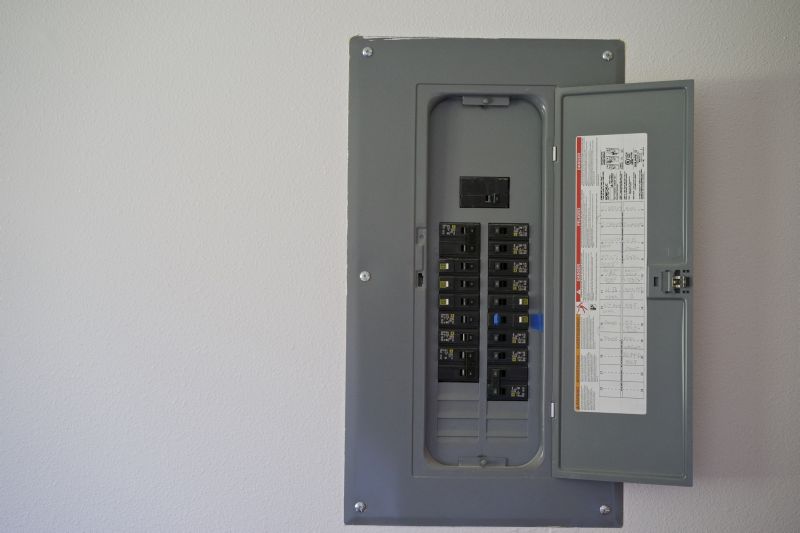
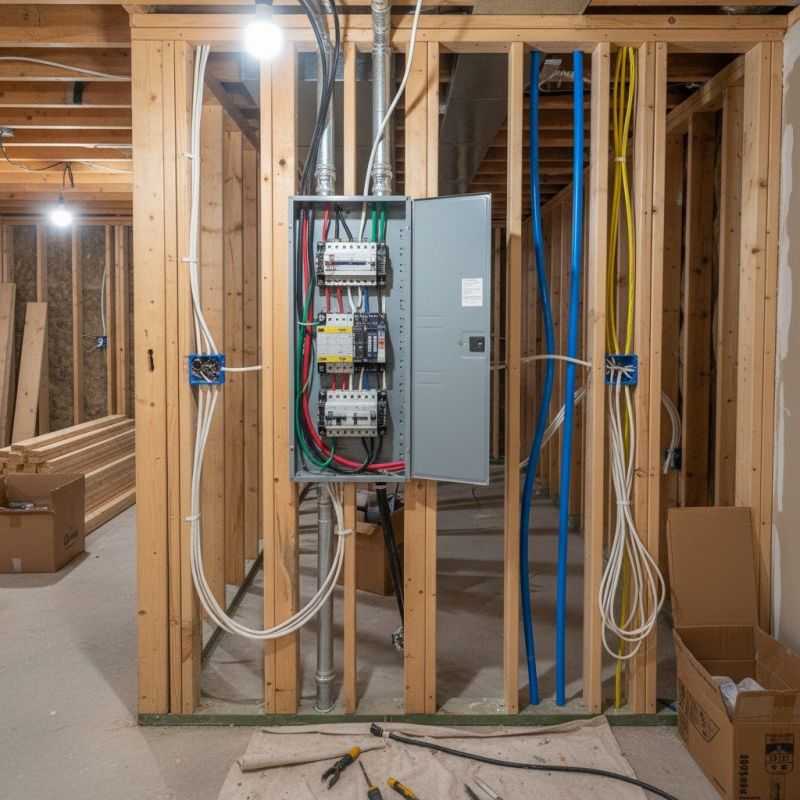
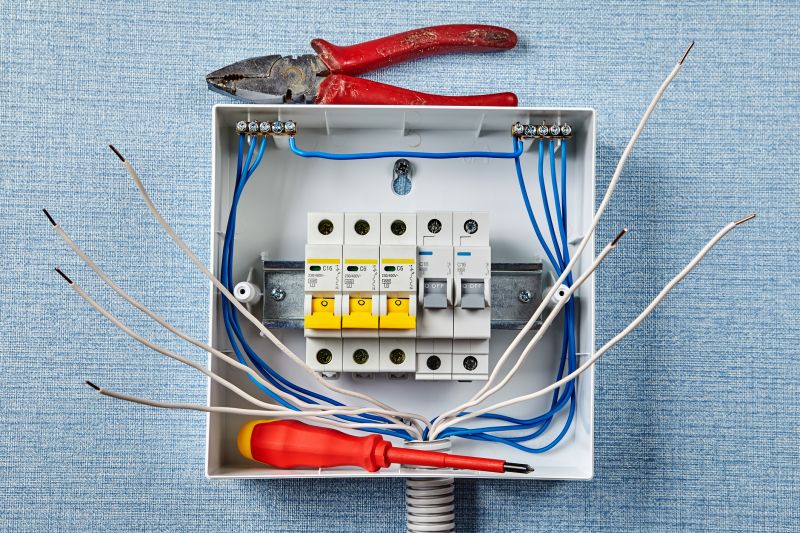
Electrical panel installation services involve replacing or upgrading the main distribution point that controls a property's electrical system. This process typically includes removing an outdated or damaged panel and installing a new one that meets current electrical demands. Proper installation ensures that the electrical system functions safely and efficiently, providing a reliable power source throughout the property. Local contractors experienced in electrical panel work can handle various types of panels and ensure they are correctly wired and secured according to safety standards.
These services help address common electrical problems such as frequent circuit breaker trips, flickering lights, or insufficient power supply for modern appliances and technology. Upgrading an electrical panel can also prevent potential fire hazards caused by overloaded circuits or aging infrastructure. Homeowners often seek panel installation when adding new appliances, finishing a basement, or planning renovations that increase electrical load. Ensuring the electrical panel is up-to-date can improve overall safety and reduce the risk of electrical failures.
Electrical panel installation is typically needed in a range of property types, including single-family homes, multi-family residences, and commercial buildings. Older homes are particularly common candidates for panel upgrades, as their electrical systems may no longer support modern energy needs. New construction projects also require initial panel installation to establish a safe and functional electrical distribution point. Regardless of the property size or type, experienced local service providers can assess the specific requirements and recommend the best solutions for reliable electrical performance.
Homeowners should consider electrical panel services when experiencing signs of electrical issues or planning significant upgrades. If circuits frequently trip, appliances aren’t receiving enough power, or the existing panel shows signs of wear, contacting local contractors for an assessment is a practical step. Proper installation and upgrade of an electrical panel can help ensure the safety, efficiency, and capacity of a home's electrical system, supporting the needs of modern living and preventing future problems.
The overview below groups typical Electrical Panel Installation projects into broad ranges so you can see how smaller, mid-sized, and larger jobs often compare in your area.
In many markets, a large share of routine jobs stays in the lower and middle ranges, while only a smaller percentage of projects moves into the highest bands when the work is more complex or site conditions are harder than average.
Smaller Repairs - Basic electrical panel repairs or upgrades typically cost between $250 and $600. Many routine jobs fall within this range, covering tasks like replacing circuit breakers or fixing wiring issues.
Panel Replacement - Replacing an existing electrical panel with a new one generally ranges from $1,000 to $3,000. Larger, more complex replacements can reach $4,000 or more, but most projects are completed within the middle of this range.
Full Panel Upgrade - Upgrading an entire electrical system or panel to meet higher capacity needs usually costs between $2,500 and $6,000. Many upgrades fall into this range, though larger homes or added features can push costs higher.
New Panel Installation - Installing a new electrical panel in a new construction or addition typically costs from $3,000 to $8,000. While most projects are in the middle of this range, extensive or custom installations can be more costly.
Actual totals will depend on details like access to the work area, the scope of the project, and the materials selected, so use these as general starting points rather than exact figures.
Commercial Electrical Wiring - involves installing and upgrading electrical systems in office buildings and retail spaces, requiring skills similar to electrical panel installation for proper power distribution.
Generator Installation - includes setting up backup power systems that connect to existing electrical panels, requiring knowledge of electrical connections and safety protocols.
Electrical System Troubleshooting - focuses on diagnosing and repairing electrical issues within panels or wiring, utilizing tools and planning similar to panel installation projects.
Lighting System Installation - involves wiring and configuring lighting fixtures that connect to electrical panels, demanding planning and electrical knowledge comparable to panel setup.
Subpanel Installation - entails adding secondary panels to distribute electricity in larger properties, sharing skills with main panel installation and system planning.
Electrical Remodeling - includes updating or expanding existing electrical systems, which involves working with panels and wiring similar to new installation projects.
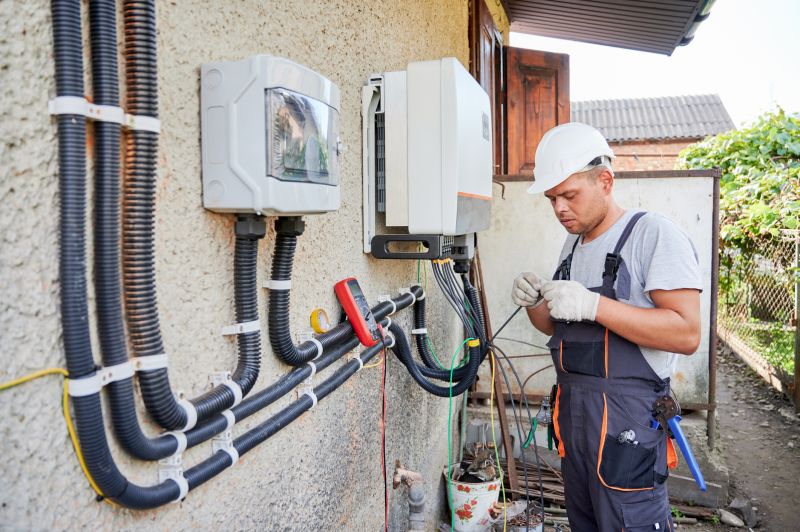
When selecting a service provider for electrical panel installation, it's important to consider their experience with similar projects. Homeowners should look for local contractors who have a track record of handling electrical panel upgrades or replacements comparable to the scope of their own needs. Understanding a provider’s background in these types of projects can help ensure they are familiar with the specific requirements and challenges involved, leading to a smoother installation process.
Clear written expectations are essential for a successful working relationship. Homeowners should seek out local pros who can provide detailed estimates or proposals that outline the scope of work, materials to be used, and any relevant warranties or guarantees. Having this information in writing helps prevent misunderstandings and ensures that both parties are aligned on what the project entails, making it easier to evaluate bids and make informed decisions.
Reputable references and good communication are also key factors when comparing local service providers. Homeowners can ask potential contractors for references from previous clients with similar projects, providing insight into their reliability and quality of work. Additionally, service providers who communicate clearly and promptly can help address questions or concerns throughout the process, contributing to a more confident and transparent experience. Keep in mind that the site introduces homeowners to local options but does not perform the work itself.
Property owners use Electrical Panel Installation services for practical projects around their homes and businesses. This guide focuses on everyday jobs and straightforward project options.
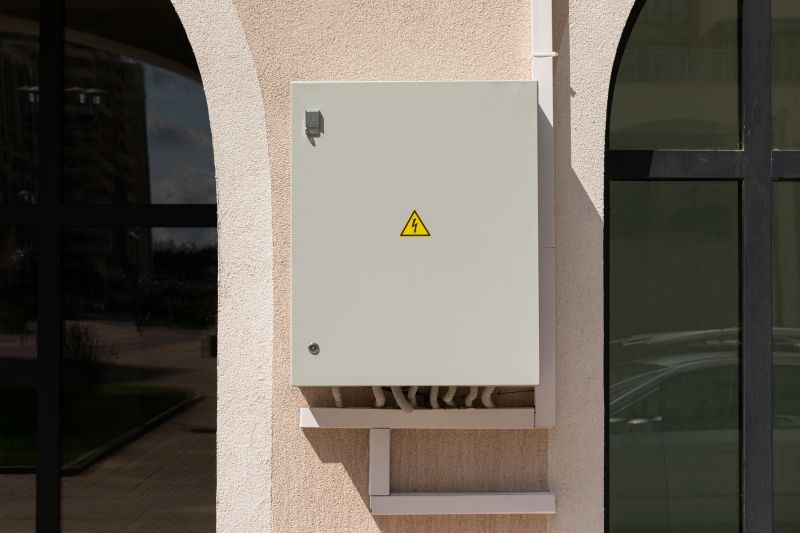
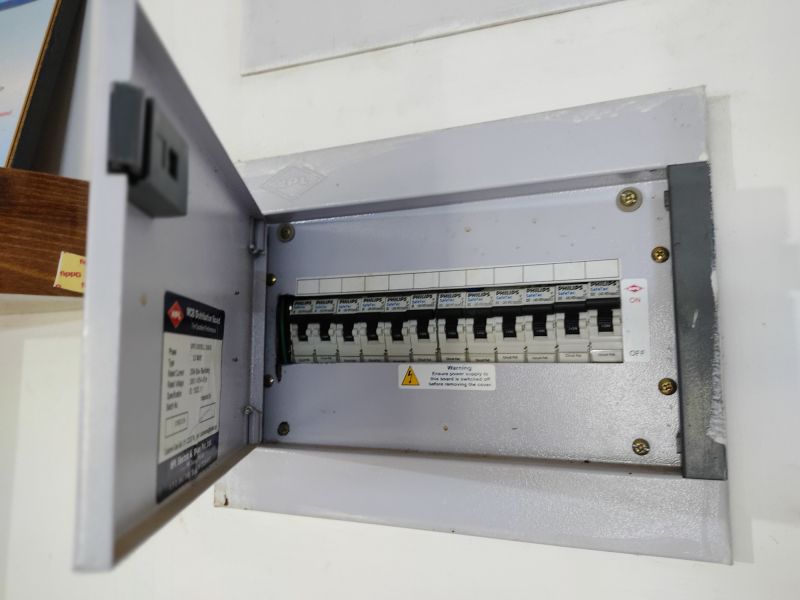
Electrical panel installation is a common project for property owners who are upgrading their electrical systems or replacing outdated panels. Whether a home is experiencing frequent circuit breaker trips, or a business is expanding and needs additional capacity, local contractors are often called upon to handle these essential upgrades. Property owners might also seek new panel installations when remodeling or renovating spaces to ensure their electrical system can support modern appliances and technology safely and efficiently.
Many property owners look for local electrical contractors to install or replace panels during new construction or major renovations. Sometimes, older properties require panel upgrades to meet current electrical demands or to improve safety. In other cases, property owners may need a panel upgrade to accommodate new electrical loads from additions like garages, workshops, or outdoor lighting. Connecting with experienced local service providers helps ensure that these projects are completed properly, supporting the ongoing safety and functionality of the property’s electrical system.
What is involved in electrical panel installation? Electrical panel installation includes replacing or upgrading the main service panel to handle electrical demands safely and efficiently, often involving wiring connections and ensuring proper setup.
How do I know if my electrical panel needs to be replaced? Signs that an electrical panel may need replacement include frequent breaker trips, rust or corrosion, burning smells, or if the panel is outdated for current electrical needs.
Are there different types of electrical panels available? Yes, there are various types of electrical panels, such as main breaker panels, subpanels, and load centers, each suited for specific residential or commercial applications.
What safety considerations are involved in electrical panel installation? Safety considerations include ensuring proper grounding, avoiding overloading circuits, and having the installation performed by qualified service providers to meet local electrical codes.
How can local contractors assist with electrical panel upgrades? Local contractors can assess your current electrical system, recommend appropriate panel options, and handle the installation process to ensure a safe and compliant setup.
Upgrade Electrical Panels - Property owners can enhance their electrical system to support additional appliances or renovations, ensuring safety and efficiency.
Replace Outdated Panels - Replacing old or faulty electrical panels can prevent outages and improve overall electrical performance in a home or business.
Install Subpanels for Additions - Adding subpanels can help manage power distribution more effectively in larger properties or when expanding living or workspace areas.
Improve Electrical Safety - Service providers can assist in upgrading panels to meet current safety standards, reducing risks associated with electrical faults.
If you are thinking about Electrical Panel Installation for a property, this guide is meant to help you understand the work, the typical project types, and how different options might fit your plans.
When you are ready, you can use the quote form on this page to share a few details about your project. From there, local pros can review the basics and respond with options that match what you have in mind.